
Responsible Performance. Every Project
We do not approach sustainability as a reporting exercise. We approach it as an operational standard — the same discipline and rigour that we apply to project engineering and construction.
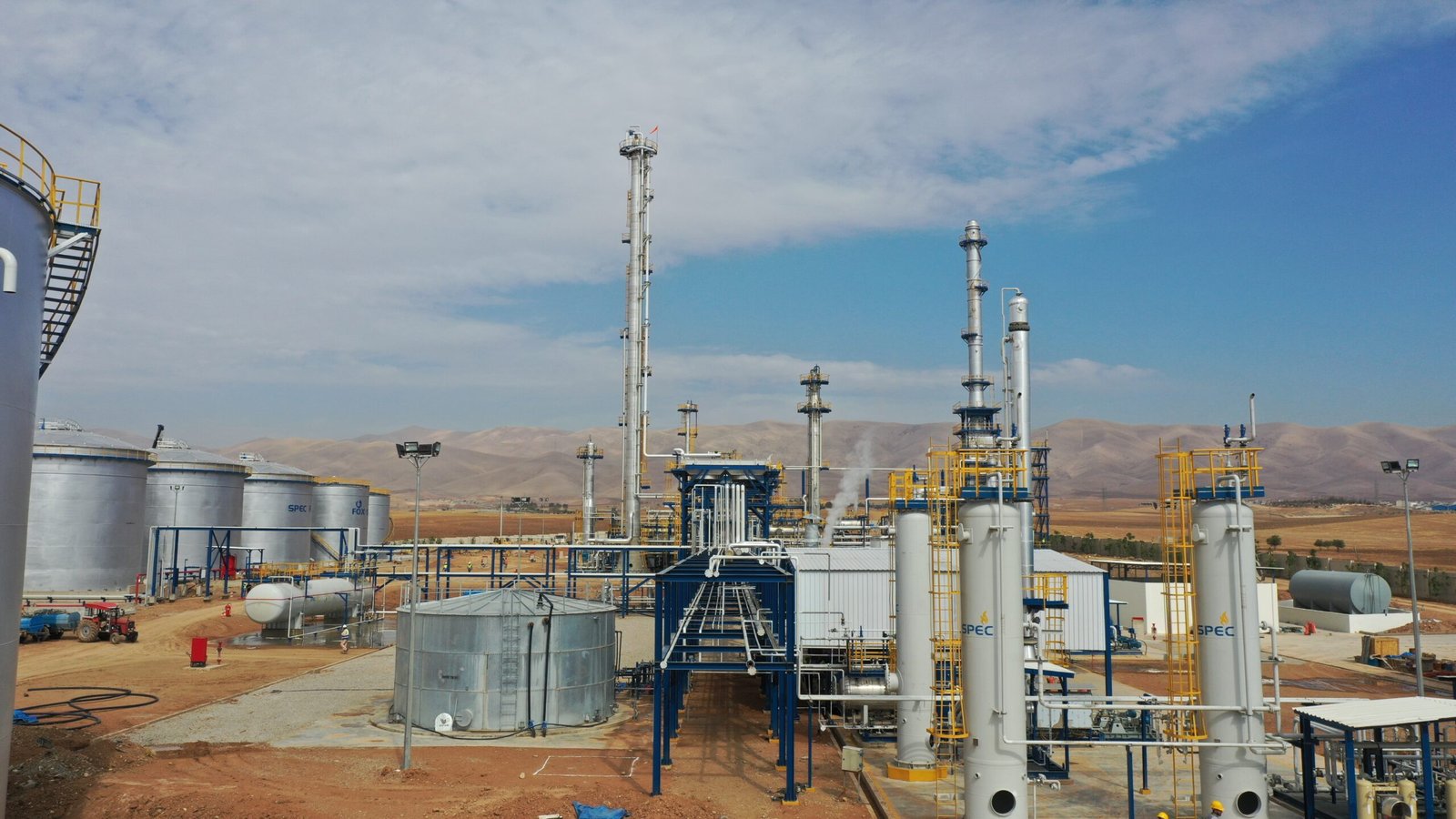
Health, Safety & Environment
The health and safety of every person working on a SPEC project is our first operational priority. Our HSE management system is certified to ISO 45001:2018 and applied consistently across all project sites, engineering offices, and manufacturing facilities.
SPEC’s safety culture is built on the conviction that all injuries are preventable. We hold our management teams accountable for safety performance, and we empower every worker to stop work when conditions are unsafe without fear of consequence. Our HSE programmes are structured to go beyond regulatory compliance — building a culture where safety is a shared value, not an imposed obligation.
SPEC’s HSE performance metrics — including Lost Time Injury Rate (LTIR), Total Recordable Incident Rate (TRIR), and aggregate man-hours worked across all active projects — are tracked continuously and reported at executive level. These statistics will be published on this page prior to website launch.
Environmental Responsibility
SPEC’s environmental management system is certified to ISO 14001:2015. On every project, we identify environmental aspects and impacts from the earliest planning stage, and we apply controls to minimise our footprint across the full project lifecycle — from engineering and procurement through construction, commissioning, and decommissioning.
Our environmental priorities include: responsible management of construction waste and hazardous materials, fuel and energy efficiency in construction equipment, spill prevention and response planning, water management and discharge compliance, and site rehabilitation to return project areas to their pre-construction condition.
SPEC is committed to reducing the environmental footprint of our operations. We work with our supply chain partners to identify opportunities for material reuse, waste minimisation, and more efficient resource consumption — and we incorporate environmental performance criteria into our project planning processes at the earliest stage.
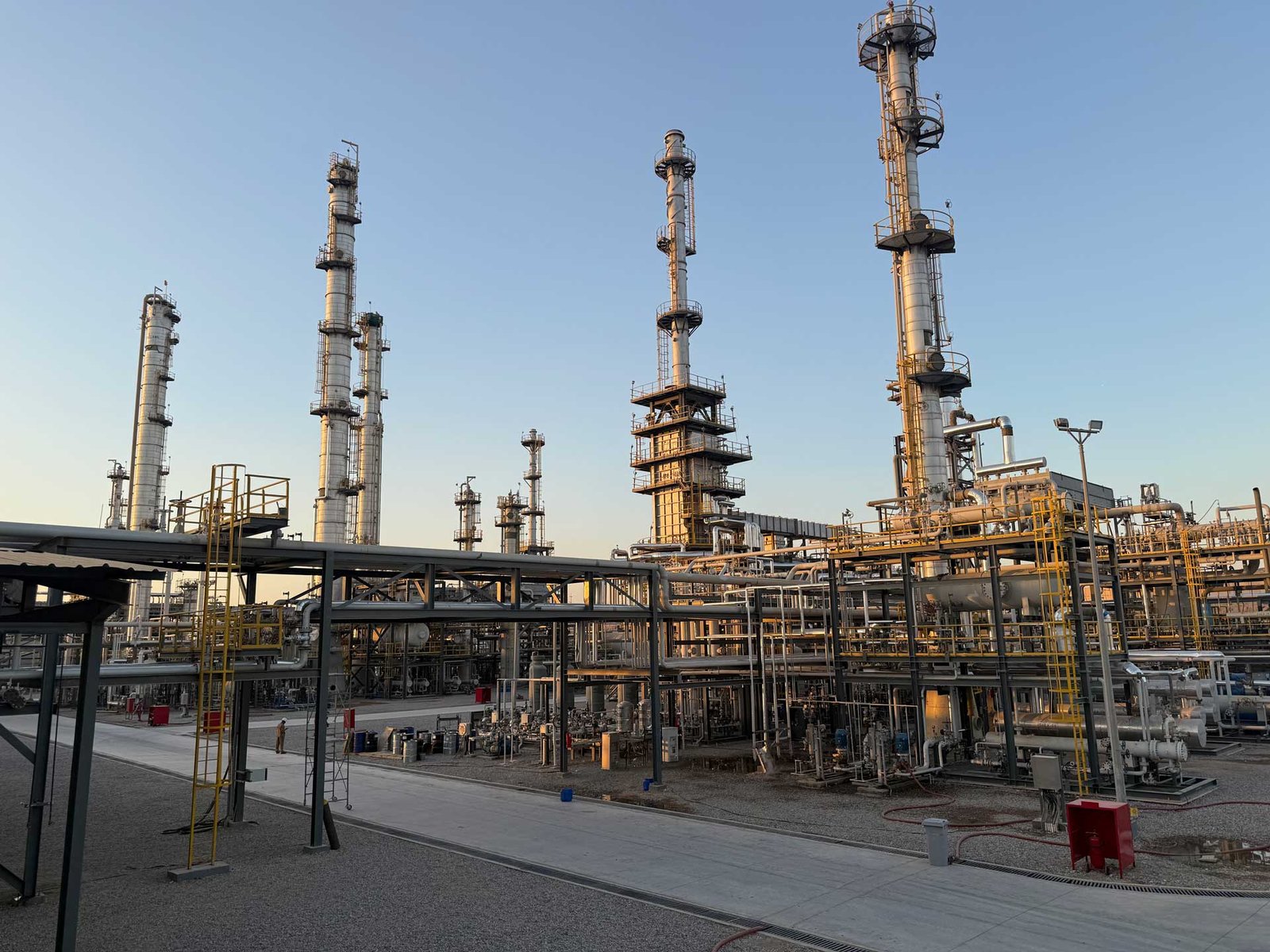
Community & Social Responsibility
SPEC operates in communities that are often in the early stages of industrial and economic development. We take our responsibility to those communities seriously. Our commitment to local content — employing local workers, developing local suppliers, and supporting local skills development — is not simply a contractual requirement on our projects. It is a business philosophy.
On every project where we work, SPEC actively engages with the local community and local authorities to understand the priorities of the area, and to ensure that our presence contributes positively to the local economy. We invest in training local workforces, developing local subcontractors, and building lasting relationships with the communities we serve.
SPEC’s social performance is governed by a formal Social Responsibility policy, which sets expectations for local content, community engagement, and social impact assessment on all projects. This policy is incorporated into our project planning process and reviewed regularly by executive leadership.
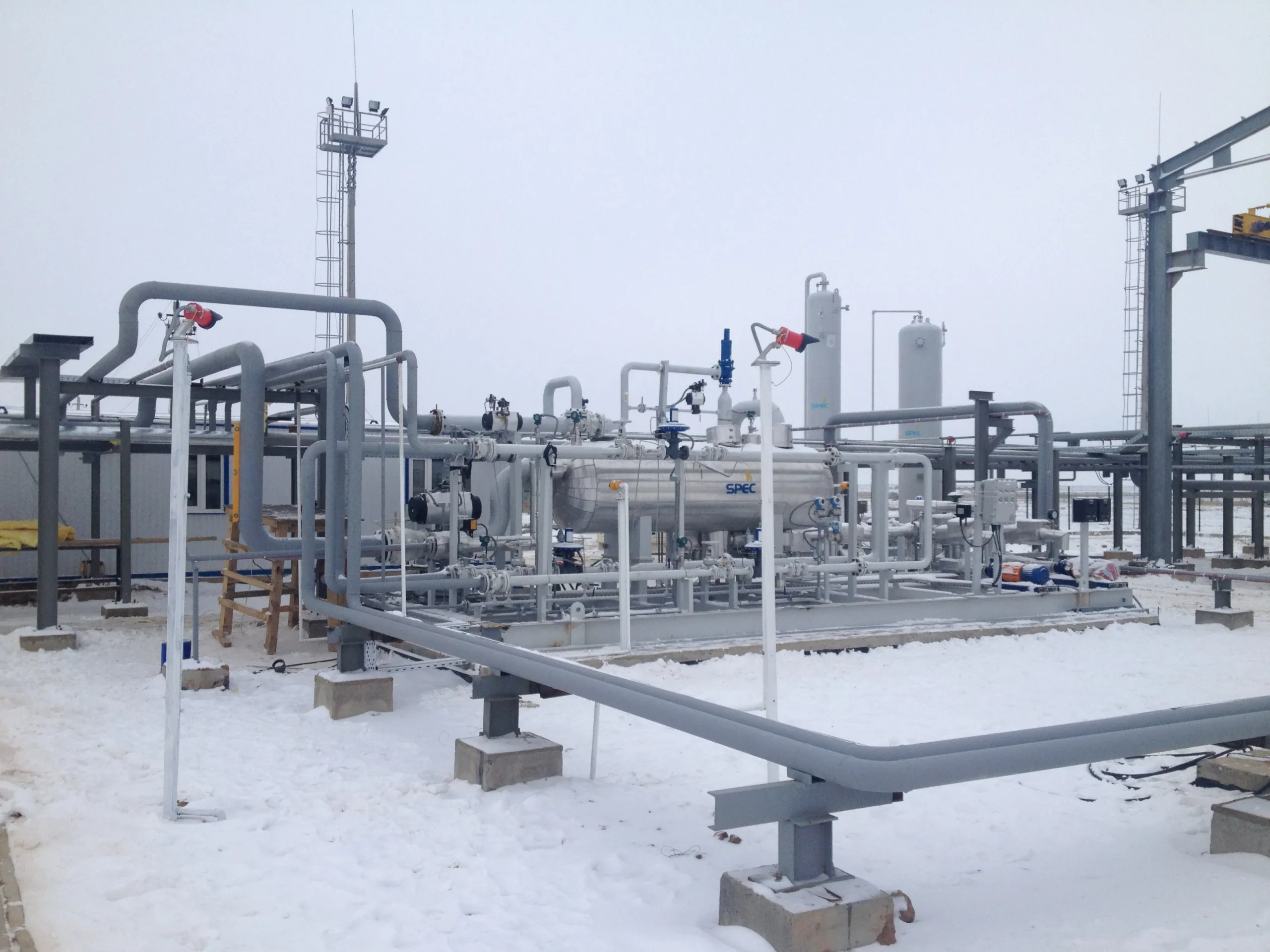
ESG Governance
SPEC’s governance framework establishes clear accountability for ESG performance at project, regional, and executive levels. Our QHSE and sustainability policies are approved at board level and reviewed annually. We hold ourselves to the standards we set — and we are transparent with our clients about our performance against them.
As SPEC continues to grow its global operations, we are committed to developing a more formal ESG reporting framework aligned with internationally recognised standards. Our priority areas are workforce safety, environmental performance, supply chain responsibility, and the development of local communities in the countries where we operate.